Internship Project Catalog
Each semester, interns in the UW–Madison OSPO internship program join real open source projects led by faculty, researchers, and staff from across campus. The catalog below showcases the projects interns have contributed to, ranging from statistical software and scientific simulation to bioinformatics tools, climate data pipelines, and websites for the open source community itself. Interns work alongside project mentors to write code, improve documentation, triage issues, and help grow user communities, gaining hands-on experience while advancing research and tools that are used openly around the world.
Current Projects

Dengue & Nipah Eco-Epidemiology
AI and computer vision for biosurveillance and ecological forecasting.

Interactive Live Scripts
Interactive MATLAB Live Script tutorials for physics and astronomy education.

Matern Covariance
Fast evaluation of Matern covariance functions and derivatives for R and Python.

Polymer Digital Engineering
Investigating water transport in polymeric membranes using molecular simulations.

Promoting Open Access
Promoting open access to scholarly research through code, data, and material distribution.

OSPO Communications
Support the open source community at UW–Madison with clear communications.
Taskflow
Enhancing unit testing and CI infrastructure for a parallel programming system in C++.
Past Projects

ALIVE
Live imaging of vegetated ecosystems using satellite data and ML.
Anisotropic Machine Learning
Incorporating anisotropic machine learning descriptors into simulation engines.

Bioinformatics Research Support
Reproducible bioinformatics pipelines for biological research.

clubSandwich
Extending cluster-robust variance estimators for regression models in R.

ESSOS
Designing the next generation of fusion energy devices using Python-based optimization.

Ionic
Supporting and contributing the open source Ionic mobile UI toolkit.
JuliaPhylo
Tools for phylogenetic analysis and visualization in Julia.

Knowledge Map
Data visualization platform for community survey data.

Machine Learning Gyrochronology
Estimating stellar ages from rotation periods using machine learning.

NASA Cloudmask
Improving memory profile of cloud detection algorithms for satellite data.
OpenLambda
Serverless computing platform supporting Apache Kafka triggers.
Open Source Toolbox for FFRs
Open source toolbox for analyzing frequency following responses to speech.
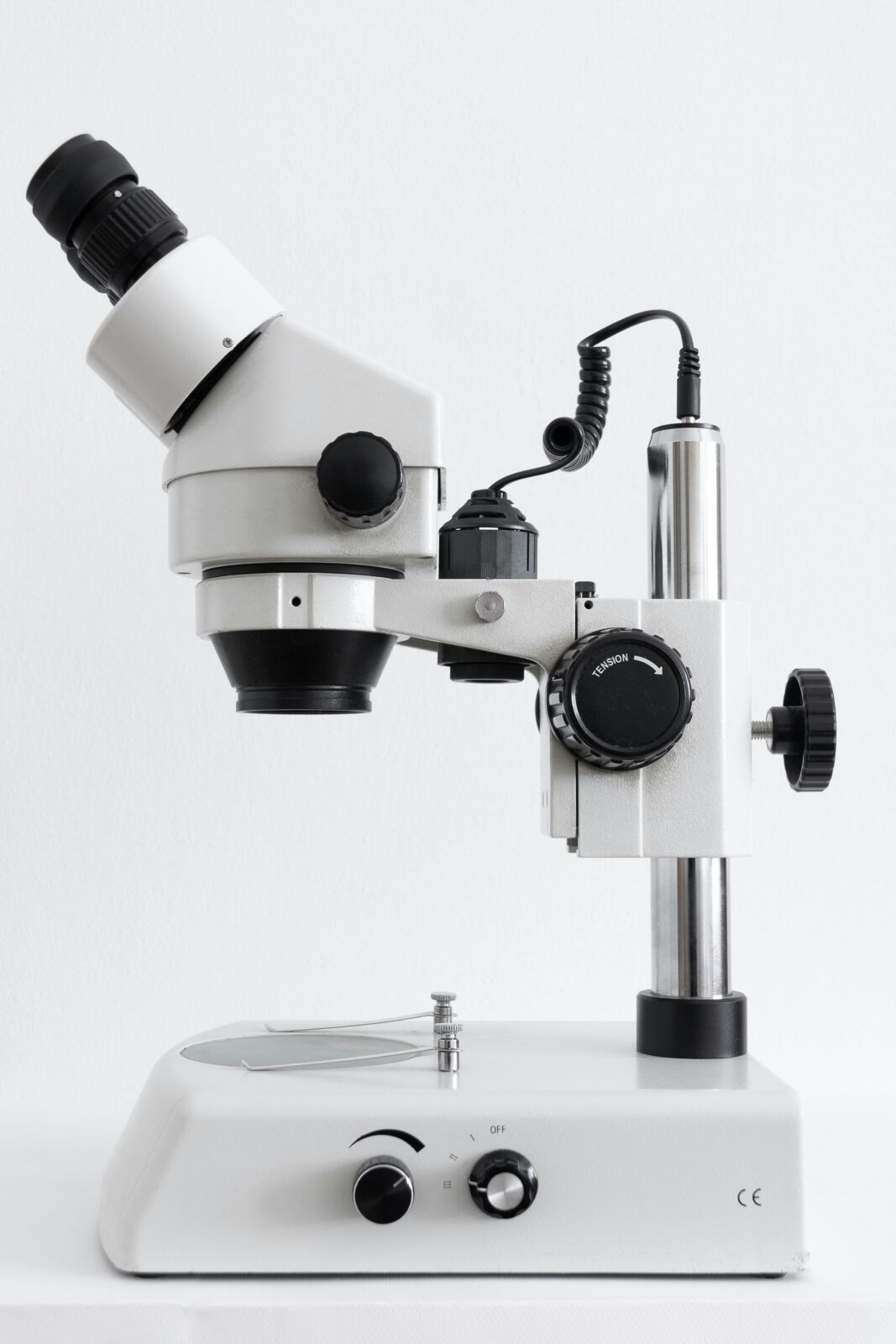
OpenTIRF
Open-source Total Internal Reflection Fluorescence microscopy system.
OSPO Website
Update and modernize the website for the Open Source Program Office.

RainyDay
Simulating extreme rainfall scenarios for flood risk management.
RLinearAlgebra.jl
Scaling up scientific computing workflows with randomized numerical linear algebra in Julia.

RSEM
Modernizing gold-standard software for RNA-seq gene expression estimation.

scdhlm
Robustness testing for effect size calculation web apps in social science research.

scikit-matter
Machine learning utilities for materials science and chemistry.

SlugNet
Improving machine learning models to detect agricultural pests.

SPECTRAX
Modeling plasma turbulence in astrophysical systems using differentiable simulations.

Spike-and-Slab LASSO
Unifying spike-and-slab regularization implementations into a comprehensive R package.
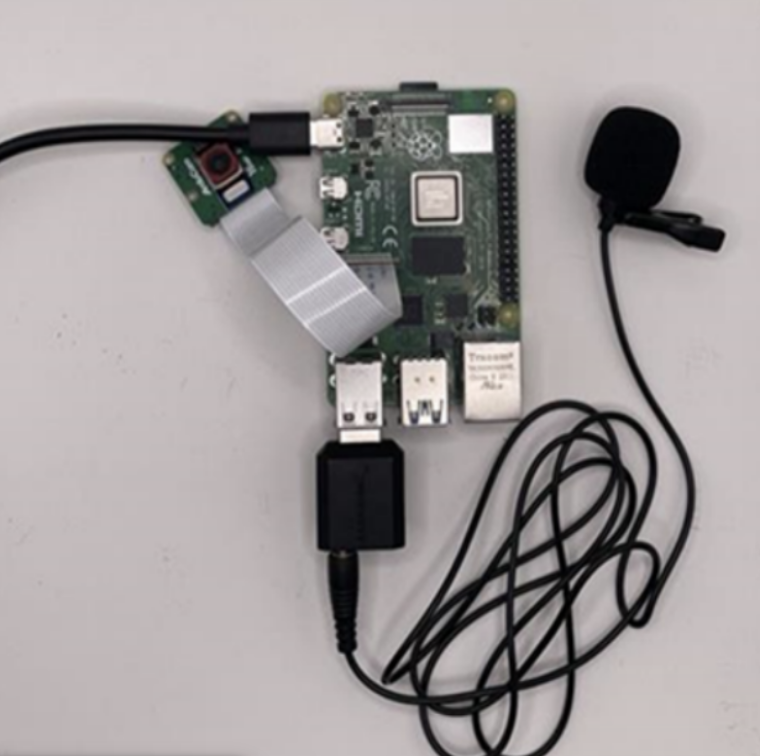
Sticky-Sonic Trap
Automated insect monitoring using acoustic and visual sensors.